Growing Our Greenways – Faster
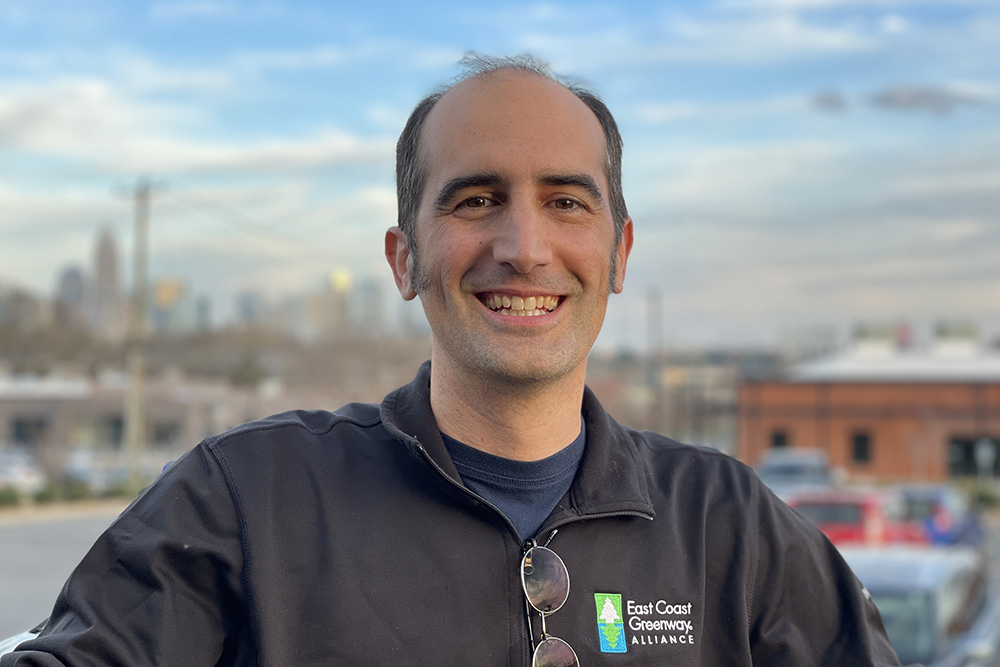
Dennis Markatos-Soriano grew up playing in the creeks in rural Chatham County. North Carolina. As he puts it, the experience of spending his formative years in and with nature, set him on the path as an advocate for the outdoors. As executive director of the East Coast Greenway Alliance, that path literally runs some 3,000 miles, from Canada to Key West. And on an unseasonably mild February night, advocating for that path put him here in Charlotte.
Markatos-Soriano joined a panel discussion with our partners from Sustain Charlotte, Mecklenburg County Park and Recreation, and the Catawba Lands Conservancy. The bait that lured the packed house: how to get greenways funded faster.
“We need to get greenway construction moved from, ‘nice to have,’ to an ‘urgent, must-have’ level,” he said. “Everyone deserves to have access to this kind of infrastructure. We have to work with transportation folks at the federal, state and local levels.”
In the 30 years since the East Coast Greenway was founded, the nonprofit has developed over 1,000 miles of this eventual 3,000 miles trail with $2B in public infrastructure investment. Since then, over 50M bike rides, walks and runs are enjoyed each year. Markatos-Soriano says it’s not individual effort or some angel investor that’s led to the Alliance’s success, because of the partnerships formed over the years.
“These type of partnerships are important for everyone involved,” said Beth Poovey, president of Partners for Parks. “There’s more power from all of us coming together and representing many perspectives. All of those perspectives coming together make for some very holistic advocacy.”

Brian Mister listened-in on the presentation after the Midnight Mulligan run club wrapped-up it’s weekly run.
“Having the ED from the East Coast Greenway Alliance keynote the evening had my wheels turning on what’s possible for our city, state, and region,” he added.
There is no “secret sauce” to getting greenways on the ground faster. But In what Markatos-Soriano called an, “historic infrastructure moment,” he urged those gathered to seize the momentum that greenways have right now, and work together with partners who are already in the conversation.
“You have to get involved at the local level first,” he said. “Get out and enjoy your greenways, then find a way to get involved with the groups that are doing the work to advocate for these projects – like Partners for Parks, Sustain Charlotte, the Catawba Lands Conservancy… they’re doing the work every day, and they need your help.”
To learn more about the East Coast Greenway, you can visit their website: https://www.greenway.org
To read Sustain Charlotte's event summary, visit their website: https://www.sustaincharlotte.org/growing_our_greenways_for_all

From the Director’s Office
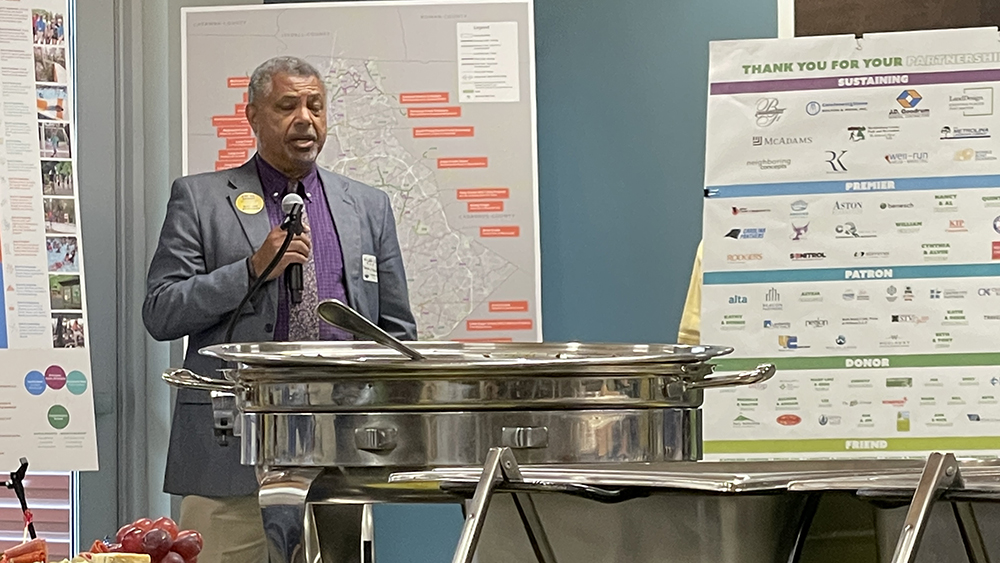
Our Interview with Lee Jones; Director, Mecklenburg County Park and Recreation
Expect a busy spring for Mecklenburg County Parks; with new greenway openings, events, spring sports leagues, and camp registrations already underway. As we approach the longer days and calendars full of outdoor activities, Director Lee Jones has Mecklenburg County Park and Recreation looking far into the future.
Director Jones took a moment to sit down with us and graciously answer a few questions about upcoming projects and priorities.
This spring, we’ll see some long-awaited openings along some stretches of Greenway here in Mecklenburg County—most notably, the connector between Brandywine and Tyvola, and the extension past the James K. Polk house. Have you had a chance to see any of them lately?
You know, I had some friends come in from out of town and they were on their way back to Massachusetts … and I said maybe the four of us can get together and go for a walk. So they picked up and we met at the Little Sugar Creek Greenway and we went to the Polk site.
And I had another friend come by. We went the other way. We went to the Polk site. We looked at the historic house. It really, really is a nice, beautiful stretch of Greenway. We really enjoyed that. So I'm glad to see the public enjoying it, and the director’s enjoying it, too!
Mecklenburg County Commissioners recently wrapped-up their budget retreat in preparation for the new fiscal year which begins in July. What’s that mean for parks, greenways, and other projects?
I think one of the biggest things is land acquisition, and how much are they going to give us for land. We have more offers out there than money we have available, and that's to make sure that we're able to spend the money, prioritize in our target areas, in areas for greenways and areas where we need to make connections, and finish some of our facilities, in accordance with the Meck Playbook.
And how is that reflected in the Capital Improvement Plan?
So, you know, our capital improvement plan, is also guided by the Meck Playbook, the County Manager's vision, the priorities of the Board and our strategic plan, internally. The last CIP was for just under $300 million from FY 19 to 23. This year we submitted over 80 projects (totaling $1B), all prioritized and not knowing what the county's bandwidth would be. So the County finance department, budget department and Manager's office and the Board has to do a balancing act. They have to see what sort of things that they have to do, what are they mandated to do, what's being pushed for by the community, what aligns with their goals and the projects.
So we don't expect to have 85 projects approved, but we do think that our value in terms of dollars is going to be higher than it was for 2019 to 23 or 24 through 2028. Part of this due to inflation and things along those lines, but it's also due to the way we've approached it. So we're looking forward to seeing what the final outlay would be.
The next step in the budget process is an April 11, 2023 Public Policy Workshop with Mecklenburg County Commissioners for a detailed review of all projects to be funded.
BIG Happenings on Little Sugar Creek Greenway
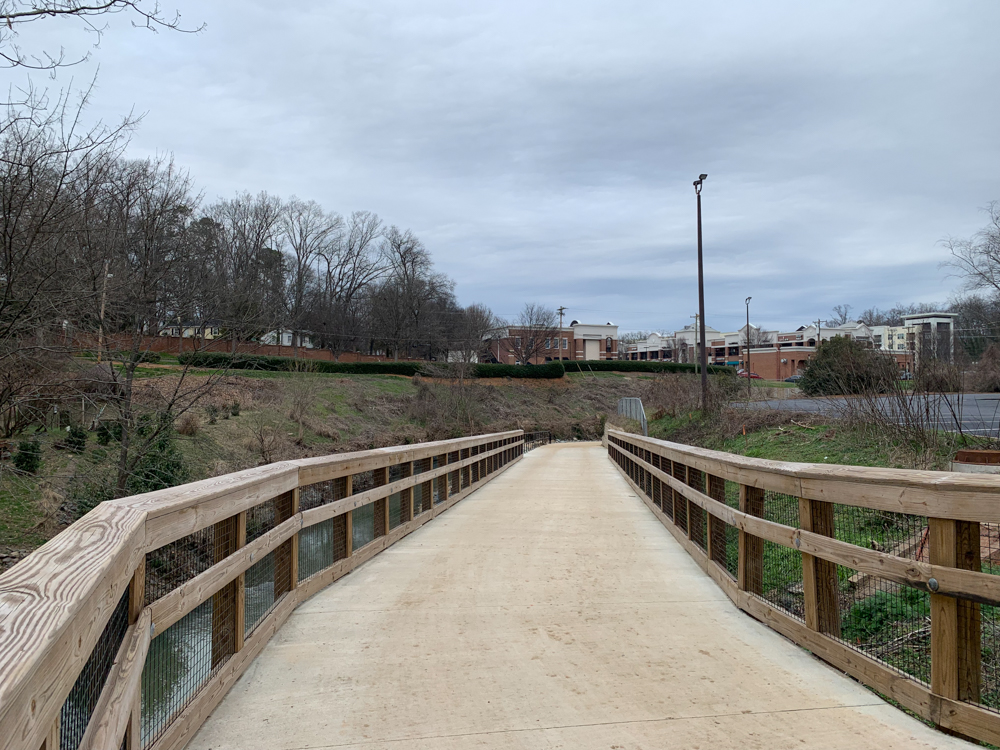
Spring in the Charlotte area is generally a lovely, albeit unpredictable, time of year. Along with the warming weather and change of season, we’re likely all looking forward to the anticipated openings along the Little Sugar Creek Greenway. We checked in with Mecklenburg County Senior Planner and Landscape Architect, Katie Lloyd for an update on TWO major projects – and then some -- that are set to wrap up this spring.
The first, and likely most visible to folks closer to Charlotte, is work along the Little Sugar Greek Greenway between Brandywine to Tyvola. Once complete, this section will connect the Freedom Park area to Marion Diehl. The City is building this one, says Llyod, and she expects an April or May opening on this section.
“There’s still a lot on the ground,” says Lloyd, “and I think people are using it like crazy already… but this is still a construction site.” Duly noted.
Also under construction, but quietly under the radar, is the last segment of Little Sugar Creek Greenway. It’s a nearly three-mile stretch from the historic Polk site to the South Carolina state line.
“That should be done, we're hoping March so early spring,” says Lloyd, “at the end of that we’ll also have a little kind of resting plaza at the state line, which will really be kind of cool. So you can kind of ride up and down, relax, take a little selfie and then ride back up!”
Lloyd says she thinks people will be surprised by the changes in the landscape on this most southern leg of the greenway. Little Sugar Creek is much more undisturbed in this area, cutting through areas that are far less developed than in stretches closer to the center city.
“I'm pretty excited for people to see that because, you know, each section we can see the Little Sugar feels a little bit different, right? In town it’s going to be very urban and structural … and then down here, Little Sugar is much more in the woods, much more winding, and with some really beautiful sections of boardwalk that we’ll add to that.”
And as these big projects wrap this spring, Lloyd says we can keep an eye on existing and new developments along Little Sugar Creek and connecting greenways.
Atrium continues work along the section of Little Sugar Creek Greenway that passes under Kings Drive adjacent to the hospital’s main campus. Lloyd says she expects that project won’t be complete until mid-2024. Until then, greenway users will continue to be detoured to the street level.
Mecklenburg County has just received bids for construction along a section of Brier and Little Hope Creek Greenway, which will be an East-West connector from the Marion Diehl campus. Lloyd says construction should begin here within the next few months.
To stay updated on current Mecklenburg County Park and Recreation planning, design, and construction projects, Lloyd says residents can find more information, offer input, and reach directly to Project Managers through the County’s input dashboard: https://publicinput.com/MeckParkRec


Happy Holidays

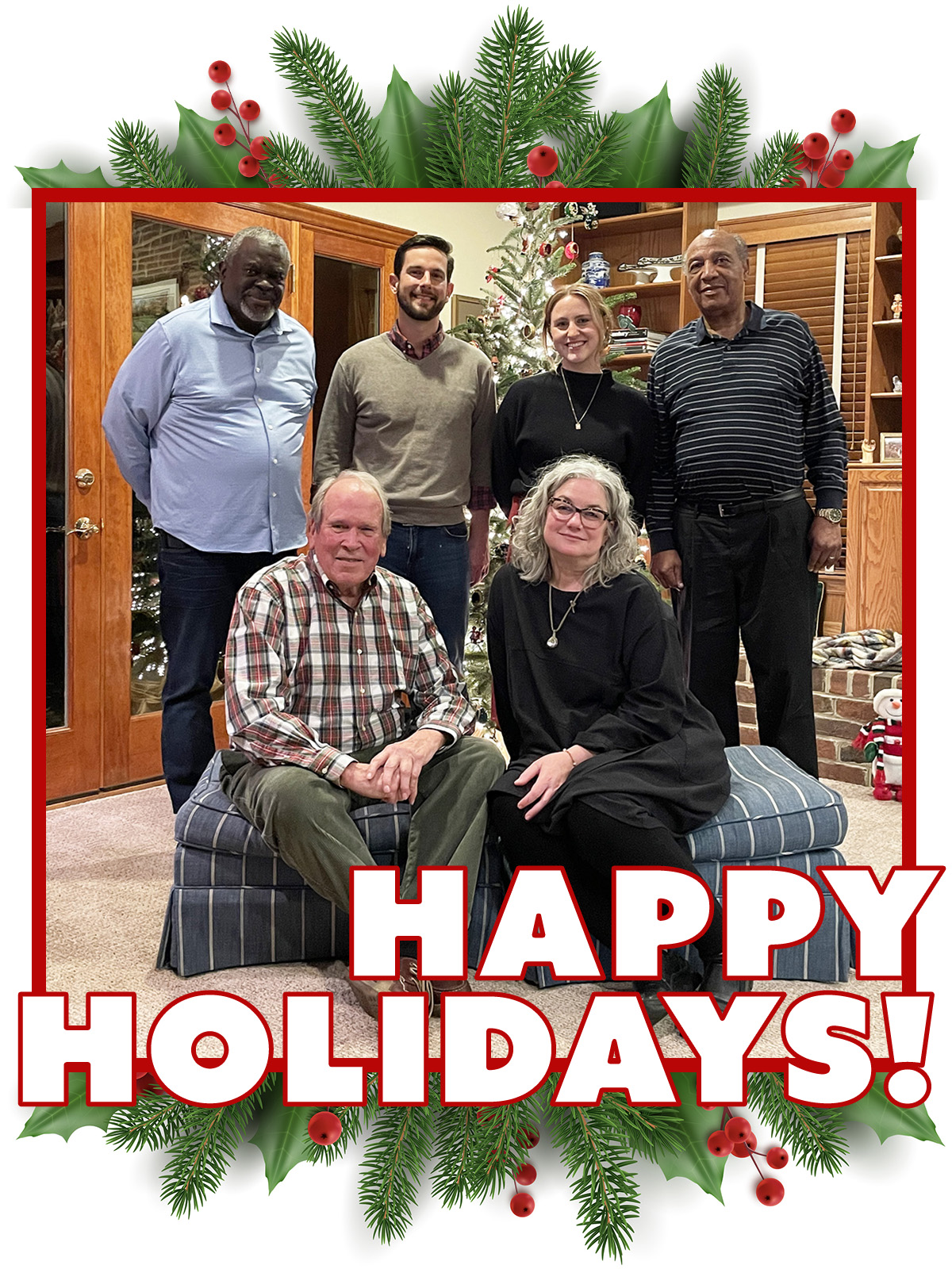
Partners and Friends —
Cheers to you and yours this Holiday Season! Thanks to your support, Partners for Parks has been an integral advocate for promoting and enhancing local parks and greenways, open spaces, active play, and recreation since 1996.
Thanks for Your Partnership,

Charlotte Flights Wraps a Successful Season
Every investment that we make in our local parks is an investment in our future and in order to keep that future bright Partners for Parks is a proud supporter and sponsor of Charlotte Flights for more than 20 years. Partners for Parks knows the benefits of sports and activities for youth, and assists the program with scholarships, travel, and equipment expenses.
Breathing Life Into Our Community is our vision and for us that starts with supporting the youth that live in those communities.
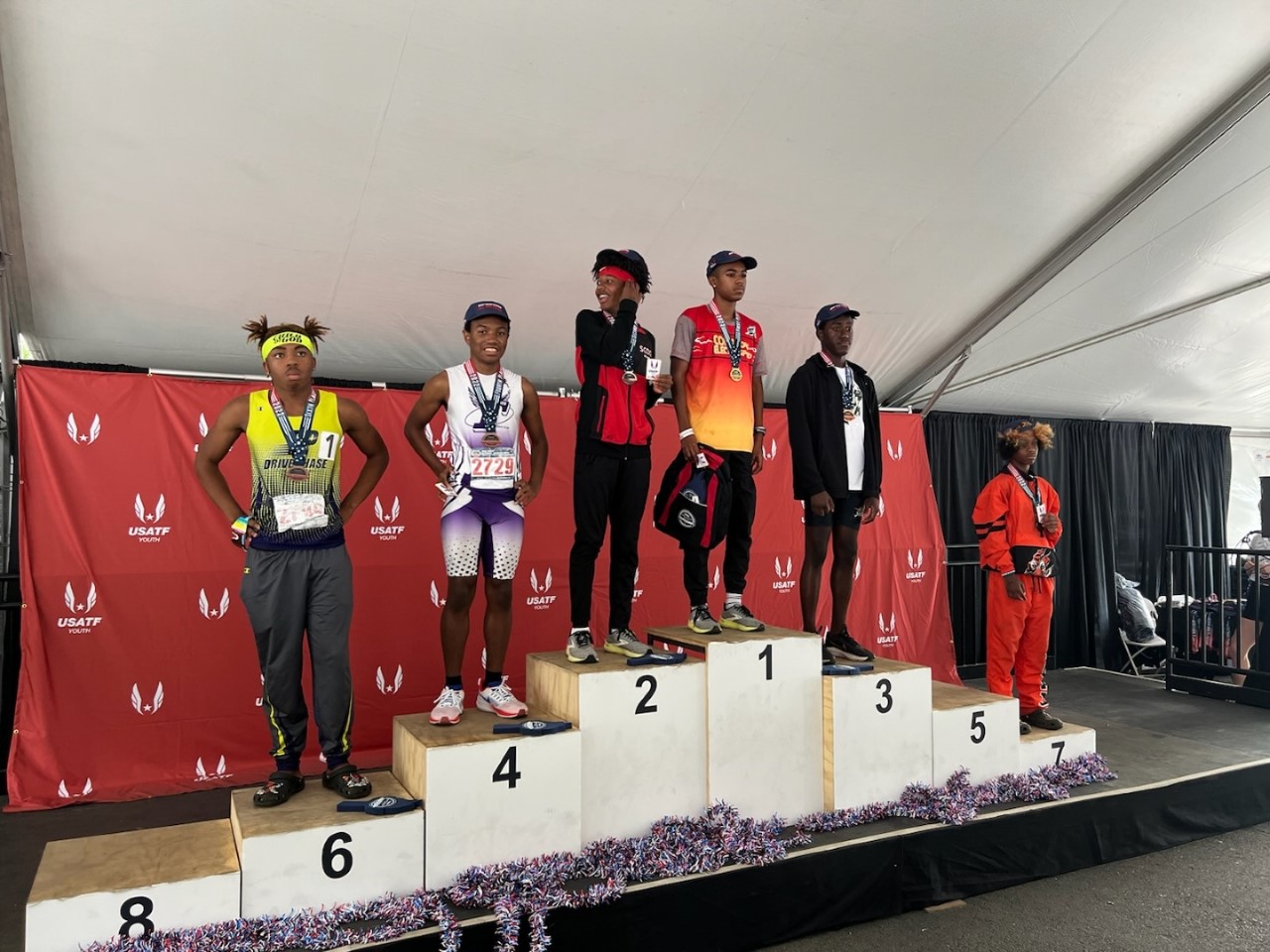
Since 1991 Charlotte Flights has been dedicated to helping young track athletes meet and exceed their athletic and academic goals. For the first time since its founding Charlotte Flights was able to offer the youth the opportunity to compete as a club in the USATF and AAU State, Regional, and National events. With a roster of 296 athletes (162 competing in track and field for the first time), they had 72 USATF National Qualifiers and 55 AAU National Qualifiers (with several athletes competing in both)and we couldn’t be more proud of their accomplishments.

Highlights from Nationals
- Matthew Clark All-American (top 8 in the country) in his third year of track
- Ja’Zara Caldwell- was ranked 42nd in the Nation and finished 15th in long jump
- Christian Seibert 9th place in triple jump great improvement
- Summer Sookram 11th place National finish in her first year of track
- 4x800M relay Laia, Kenya Western, Gabby Robert, Blakey Church (first year running track)

More About Charlotte Flights Head Coach, Nigel Orr
Charlotte Flights Head Coach Nigel Orr is entering his 3rd season as head coach and is also one of its success stories.
Coach Orr started running with Charlotte Flights when he was 7 and with the skills he gained from the program he excelled in both middle and high school track. His success ultimately led him to a full athletic scholarship at Georgia Tech University. In 2016, he came back to Charlotte Flights to coach. In late 2019, he was named Head Coach of Charlotte Flights. Nigel has been instrumental in recruiting ten former Charlotte Flights runners to serve as coaches under his leadership. Assistant Head Coach, Porcia Douglas is also a lifelong Charlotte Flights athlete and graduate of Johnson C Smith University.
Partners for Parks is proud to support an organization like Charlotte Flights and we are wishing the athletes a great off-season before things ramp back up, they’ve earned it!
New Park Plan Gins up Interest, Excitement in NoDa
Charlotte’s NoDa area has seen its share of development over the last few years. The historic and eclectic neighborhoods are home to one-of-a-kind restaurants, galleries, and shops served up with a palette of local color. NoDa’s funky vibe, welcome spirit, and walkability make it a destination for locals and tourists alike.
But it’s not an emerging artist, brewery opening, or high-rise development that’s creating a buzz in NoDa these days. Rather, it’s the idea of a new public park.
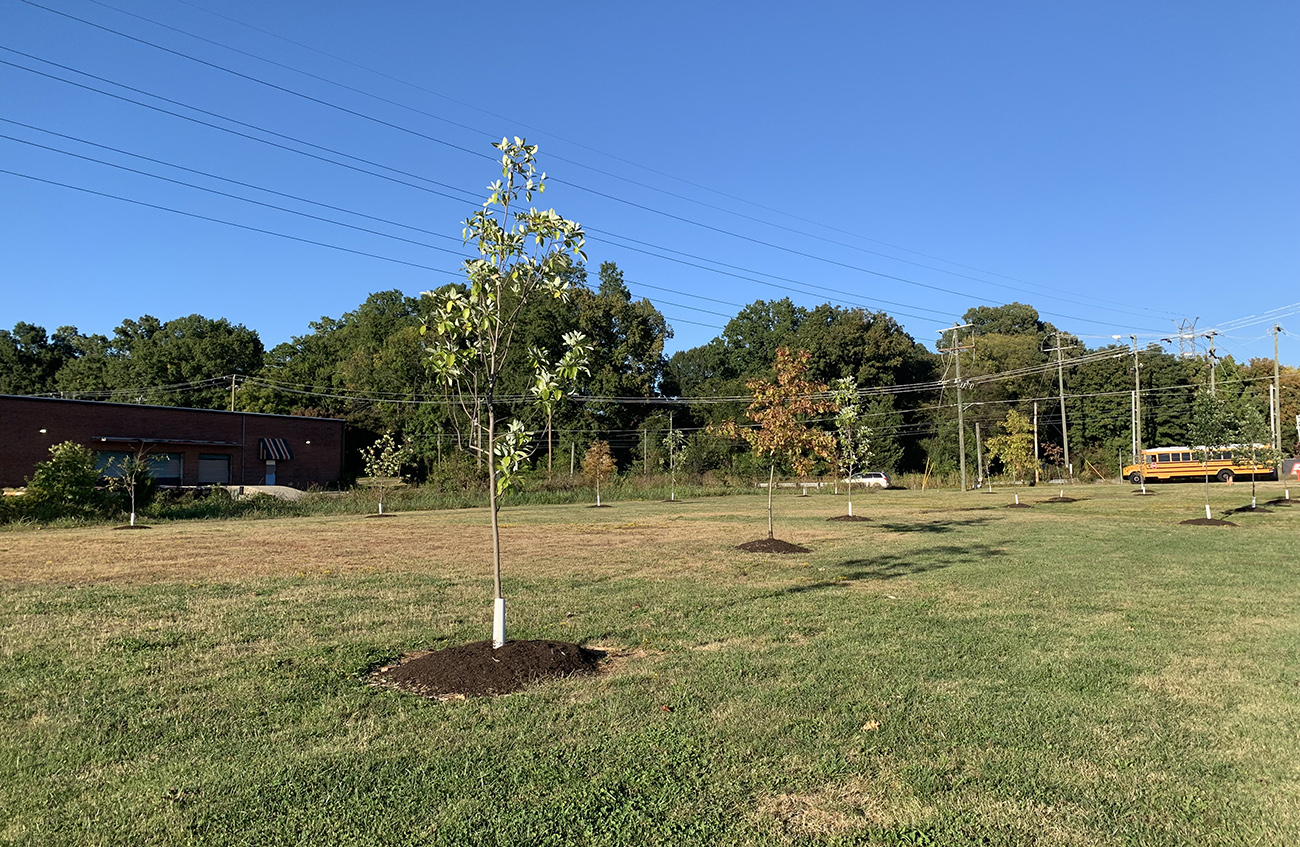
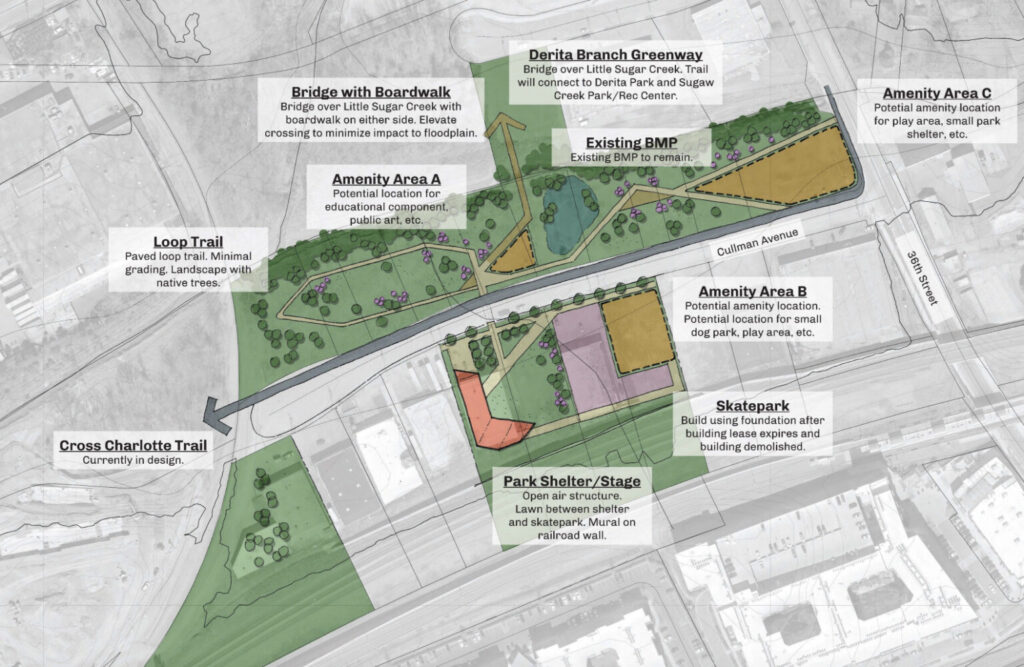
Mecklenburg County Park and Recreation is proposing a 12 – 14 acre park along Cullman Avenue near 36thStreet, near the center of NoDa’s commercial district, several new apartment developments, and a planned grocery store. The County has cobbled together parcels of land in that space since 2008; most of it rests in a flood plain.
“Typically properties like this are developed into parks through Capital Improvement Plan funding,” said Bert Lynn, Capital Planning Division Director for Mecklenburg County Park and Recreation. “We are in the final year of the current 5-year Capital Improvement Plan cycle and are beginning to develop recommended projects for the next 5-year cycle.”
While still a concept, the story has garnered thousands of online views and generated a torrent of emails since Lynn shared the plans with the NoDa Business Association earlier this month.
“To me it’s very interesting how these articles get so much excitement,” said Beth Poovey, president of Partners for Parks. “I must have been forwarded that article 10 times!”
Poovey said the kind of excitement the story generates in the community makes her optimistic about the increasing support Partners for Parks is seeing for parks and open space. And that support doesn’t end with park advocates. Neighbors and businesses we spoke with joined that enthusiastic chorus.
And rightfully so. Current public parks nearest NoDa are much smaller, neighborhood parks. This park concept includes potential amenities like a playground, dog park, performance stage, skate park, picnic shelters, and space for public art, as well as a connection to the Cross Charlotte Trail and Greenway system.
Vanessa Infanzon and her family have lived in NoDa for 25 years and are close to the 3-acre North Charlotte Park. She says a park like the one proposed would be a welcome addition.
“We were excited to hear about it, and are looking forward to getting more details,” added Infanzon. “It would be great for the neighborhood, and would give visitors a destination park so close to the restaurants and shops.”
“It’s definitely a win win win for all involved,” said Joey Hewell. He and his partner Scott Lindsley own the NoDa Company Store and have lived in the neighborhood since 2013. “One of our main concepts for the Store is greenery and LOTS of it so having another park nearby is great! I’m a big fan of the city trying to create more green spaces. Not only is it beautiful, it brings people to the neighborhood.”
“I grew up in the area -- Midwood and Merry Oaks -- and loved having Veterans Park nearby,” added Lindsley. “I also lived across from freedom park for a number of years and just love what large urban parks do for neighborhoods like this.”
Poovey also pointed out how this potential park could provide so many different benefits that make it truly unique; like restoring a floodplain, contributing to the buildout of our greenway system, and providing open space in a growing and densely-populated area.
“According to Meck Playbook, the future NoDa park will help fill in the gap in an area currently underserved by parks and greenways,” she added. “Parks along our planned greenway system help get us closer to the day where we can easily and safely walk and bike between neighborhoods and destinations, provide even more opportunities for enhancing our daily experience of the urban open space that is coming together and will hopefully be a defining feature of our community sooner than later.”
As for the future of the park, Lynn says he anticipates a public input and comment period to occur in early 2023. Then it would be up to the Mecklenburg Board of County Commissioners to finalize the 2024 to 2028 Capital Improvement Plan.
Catching Up with Erin Katzner, Executive Director at the Carolina Raptor Center
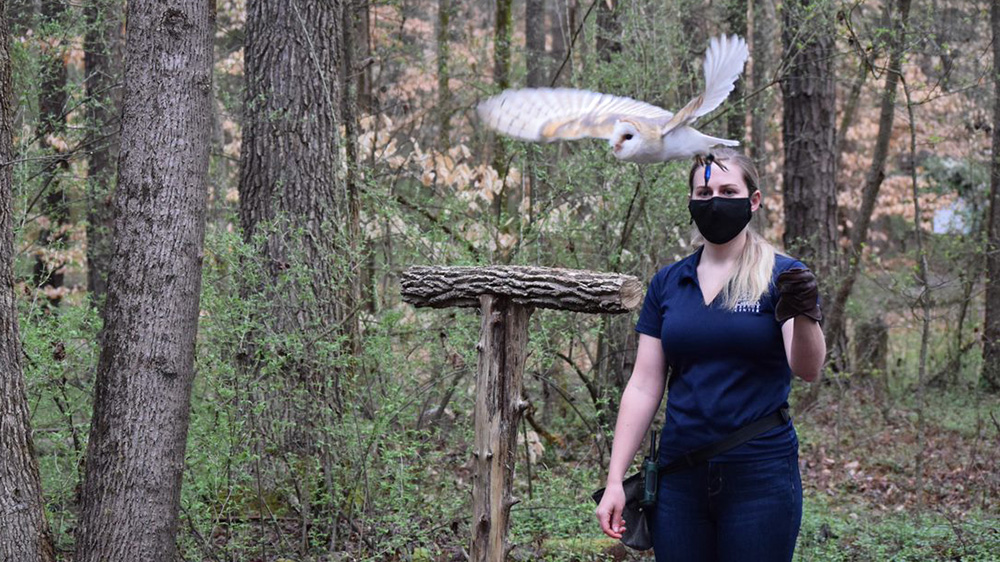
Founded in 1981, the Carolina Raptor Center has grown from a rehabilitation services provider for injured birds of prey to a one-of-a-kind educational and conservation resource. Home to more than 70 ambassador birds, and hundreds more that are treated in its animal hospital, the Center hosts tens of thousands of visitors each year. That number is sure to bloom thanks to a partnership with Mecklenburg County Park and Recreation to build a new, state-of-the-art nature center called Quest.
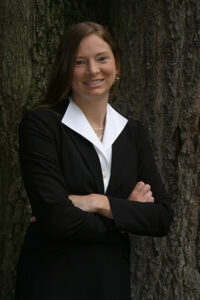 The Center recently named Erin Katzner as its new executive director. Katnzer has a literal lifetime of experience in the nonprofit animal welfare space, most recently as Vice President of Education and Outreach at The Peregrine Fund. Katzner was gracious enough to spend a few moments with us fresh off her move from Idaho to North Carolina.
Partners for Parks: Welcome to North Carolina and thank you for taking the time with us today! So how's the adjustment back to East Coast from being out there in Boise?
Erin Katzner, Executive Director, Carolina Raptor Center: It is fantastic. So I'm so happy to be back here on this side of the country. I grew up in Ohio and I spent some time in Pittsburgh, then West Virginia. So being back in what I consider my home, near the Appalachians, it's really nice to be back here. I've always loved the state of North Carolina. Growing up, I went to the Outer Banks almost every other year with my family, so I've always had a really warm spot in my heart for North Carolina. And I always thought this is the place that I'd want to live. So I just feel really lucky that that dream is coming true. And here I am!
P4P: You’ve spent many years in the animal welfare and education space. How did that happen, and what inspired you to do so?
Erin Katzner: I was really lucky when I was 12 years old, my mom signed me up to be a teenage volunteer at the Columbus Zoo in Ohio. Oh, wow. I fell in love with connecting people to nature and conservation issues and helping inspire people to protect wildlife and wild places. And so I've been hooked ever since. So I've been doing this since I was 12, which I think makes it about 32 years now that I've been working with animals or conservation organizations.
I just love it. Especially with birds and birds of prey, in particular, you know. They’re a type of animal that people see in their backyards, that they see when they're driving down the highway. But you can work with them and earn their trust and develop a relationship with them where they'll actually let you get close to them and they'll let you connect them to audiences.
And I see people's attitudes towards wildlife change when they have that kind of personal connection. And that's why I've devoted my life to this. It's really 100% my passion for connecting people with raptors.
P4P: And going back to what you said about being 12 years old… you're at the Columbus Zoo. Every little kid, unless they've had some sort of traumatic experience with an animal, loves animals. How did you know this was going to be your path?
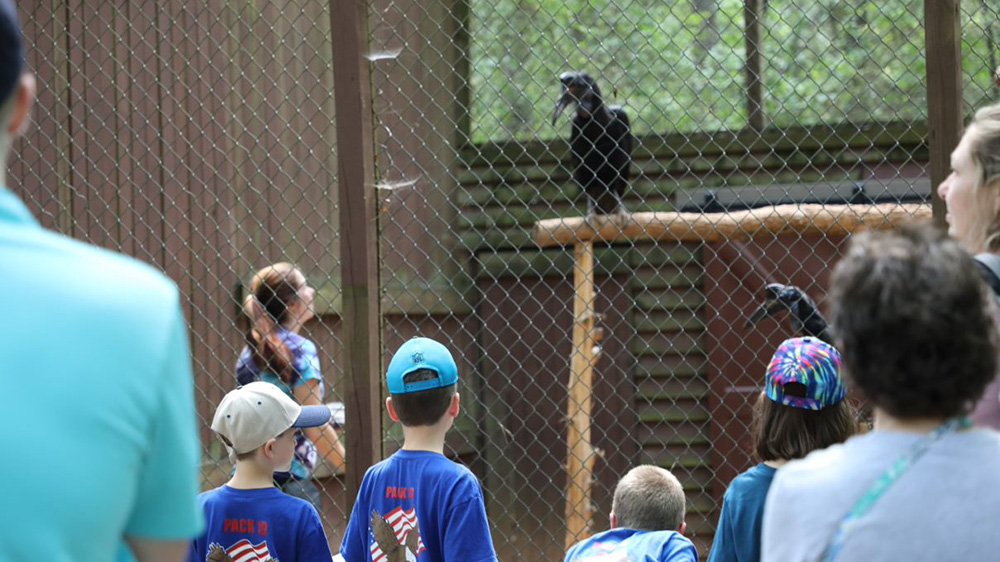
Erin Katzner: It was the first time I ever held a bird of prey, and it was just a little American Kestrel, which was the smallest member of the Falcon family here in the US, and one of the trainers let me hold one, and it was life-changing for me. It’s what we call a defining moment.
Yeah, it's a moment in time that changes your perspective. And I just knew from that moment on that this is what I wanted to do. And fortunately, I had a lot of really great mentors at both the Columbus Zoo and, you know, moving along it throughout my career path. I was lucky enough to get to work with Jack Hanna and the very first time I was ever on television it was with Jack Hanna.
And, you know, I had a lot of really great role models and mentors to look up to and to learn from. And so I went on and did a Bachelors Degree in Wildlife Management at the Ohio State University. And then, later on, I moved into managing people more because if you're really training animals, they'll move you up into a management position. (laughs)
But that’s not the same thing. So I went back to school and did a master's degree in nonprofit administration at the University of Pittsburgh. And it was a really great opportunity for me to become a leader within the organizations where I worked. And so that's how I ended up coming to this point where I'm leading an organization, which is never something that I really had anticipated I would do.
I have always liked being in a support role and helping an organization grow but the Carolina Raptor Center has such a great reputation across the country. And I knew a number of good staff here from working with them in professional organizations, and I knew how passionate they are and how motivated they are, and I just couldn't turn down the possibility of working with this team.
P4P: So how did you know that you'd be a good fit?
Erin Katzner: A lot of what the hiring team was looking for were things that I had had the fortune of doing in the past. I've run a couple of capital campaign loans and managed construction projects at multiple organizations, and that's going to be a big part of what we're doing here. I also have a lot of background in creating visitor experiences and engaging people with raptors and new ways, so looking at all the opportunities that are here and all the potential for growth, I saw that I could make an impact.
P4P: Regarding impact, why is it important for kids, or for that matter for people of all ages, to learn more about nature and their natural world? And for that matter, how important is it for a community to have a resource like the Raptor Center?
Erin Katzner: The Raptor Center really is a one-of-a-kind place. And there are a few other places where you can go to see birds of prey around the country, but none quite to the standard that the Carolina Raptor Center is on. And so having this here in Charlotte's backyard, having this be part of the community is really unique and really something that I hope people in the area feel proud of.
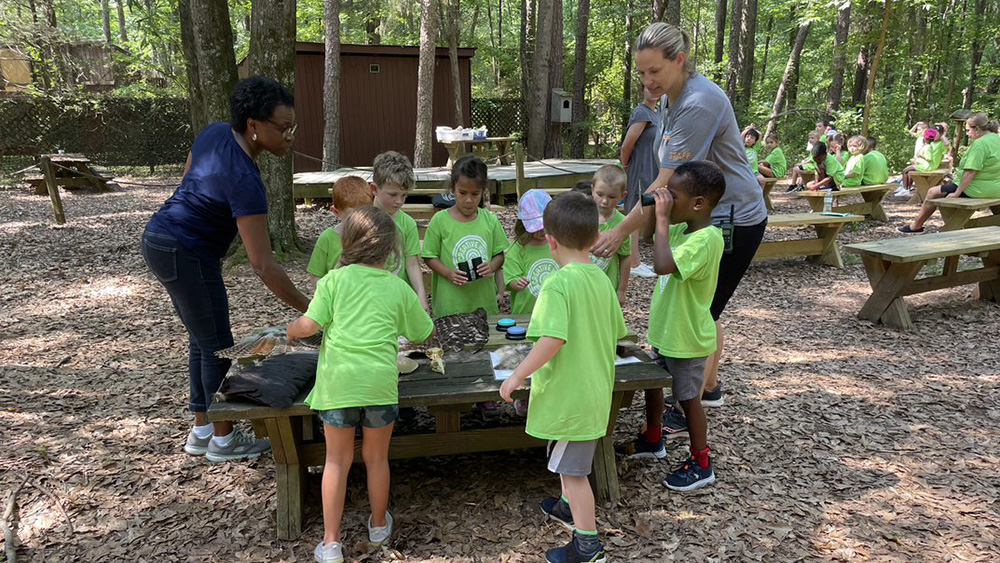
To have this resource and to have this opportunity to connect with nature in this way, and to have the partnership with Mecklenburg County Parks, really takes it to the next level, because when you come to visit the Carolina Raptor Center, you're not just seeing birds of prey, but you're actually out walking a trail in the woods discovering birds of prey. You can hear wild raptors occasionally calling from trees above.
You know, there's lots of wildlife around and the rehabilitation side of the center is really it's a state-of-the-art facility. The staff that are here are experts in their field. People come from all over to be trained by our rehabilitation staff. So that's something that is unique that I hope the community takes pride in.
P4P: What do you think are some of the biggest challenges facing facilities like this?
Erin Katzner: Well, you know, I think that one of the things that is sort of prevalent among humanity right now, especially here in the United States, is sort of this connection with nature. A lot of people don't get to spend time outside. You know, I grew up playing outside and catching crawdads and tadpoles and stuff like that. And I don't think as many kids get those experiences today.
And so, yeah, I hope that we can be a resource for that. We also are looking to really help children understand how they can get involved in STEM learning through the lens of raptor ecology. There are few things in the world that get kids as excited as birds of prey, and once we can help them understand that they can have jobs in the real world when they grow up that have positive impacts not just on birds of prey, but on all wildlife and all wild places, and that these connections that they can make through a job and engineering or technology or arts can really have a significant impact on our environment and can help make the world a better place and help them feel more fulfilled in their work. And so I hope that the Raptors on our can become a real center for STEM learning as we move forward.
P4P: So what are your goals in your first year here?
Erin Katzner: One of the things that is really important to me moving forward in the first year is just to really get the word out about how great of a facility this is. You know, in a perfect world, everybody in Charlotte would have visited the Carolina Raptor Center sometime in the past year. So really building up the organization to be a place that is a hub of activity for Charlotte and providing fun, engaging events that people want to come to and learn more about birds of prey, engage with nature, and feel inspired to go home and do something in their daily lives to help wildlife and wild places right here in their own home.
P4P: And what do you hope your legacy will be, not just here, but over your life’s work?
Erin Katzner: I really hope that I have an impact on the conservation of birds of prey in our world. And I think that there are multiple ways to achieve that goal. You know, boots on the ground for conservation is one way, to me. The critical component is education and connecting with people in the communities that share the same resources as birds of prey.
If we can do that, which, as you know, the Raptor Center is poised to do and do as well, if not better than anywhere else, then we can succeed in protecting wildlife. I think that so often people feel like conservation is hopeless. Or that, you know, you think about climate change and how are we going to overcome something so huge. But the reality is that we have saved species in the past and we have saved habitats, and we do know how to do that. And if it's a problem that we have created, the great thing about that is that we have the power to change it. We have the power to solve that problem. We just need more people to think from that perspective.
We need to be engaging with industry, with governments, and with nonprofits. All of us need to be working together to achieve those goals. And when we do work together, we are successful. We've seen it time and time again. The Carolina Raptor Center is a great place to achieve some of those goals, and I hope that we can be a leader in our community in helping to make it a better place to live.
P4P: Thank you so much for your time! And again, welcome to Charlotte and we look forward to seeing you soon at the Carolina Raptor Center.
Erin Katzner: My pleasure! I hope everyone takes this article as an invitation to come out and visit us. We would love to show you around and knock your socks off when they see how cool raptors are.
Learn more about the Carolina Raptor Center at http://www.carolinaraptorcenter.org
Growing Our Greenways September 2022 Recap
https://youtu.be/4GUBk7UAyXo
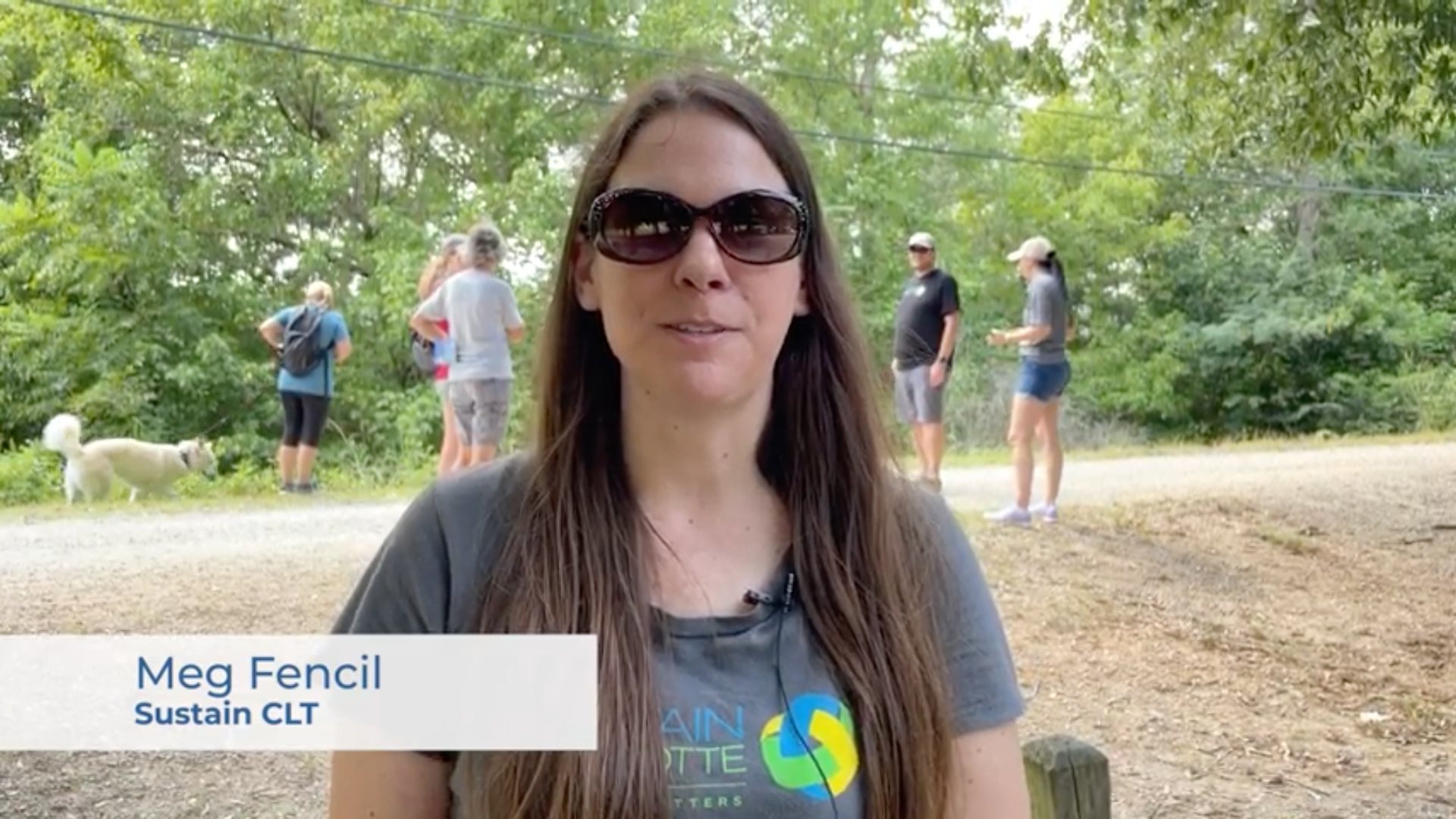
Thank you so much for joining Partners for Parks and SustainCLT for another Growing our Greenways event. We had a great time running/ walking/ and riding with you and hope you did too.
Events like this aren't only important because they get our families out of the house, but they also help foster a connection to our outdoor spaces. In Charlotte, we are lucky to have an abundance of parks, greenways, green spaces, and natural beauty within and around our city. Our mission at Partners for Parks is to ensure everyone can take advantage of those spaces and help take care of them for years to come.
Catching Up with Lee Jones, Director of Mecklenburg County Park and Recreation
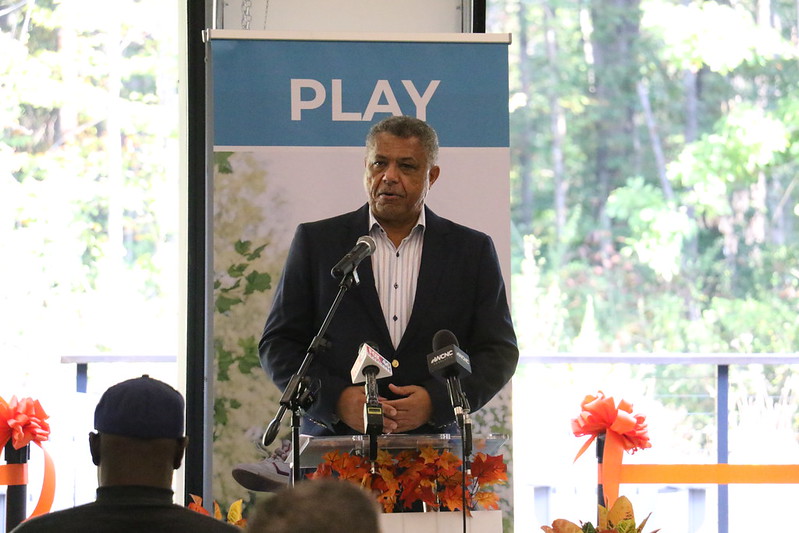
Managing more than 230 parks over 22,000 acres is a tall order. Catching up with the man tasked with such a charge is no small feat, either. Lee Jones has been part of Mecklenburg County Park and Recreation for nearly 20 years; serving as director for the last three plus years. Partners for Parks had the opportunity to sit down with him as he and his team wind down the summer season and ramp up for fall.
In a jam-packed 30-minute interview, Jones touched on the long-term impact of the pandemic, future challenges for parks and green spaces, and the project that’s most personal to him. Our conversation is below, edited only slightly for clarity. Enjoy!
Partners for Parks: First, thank you again for taking the time! It’s been quite a while since we’ve had the chance to get together. How have you been?
Lee Jones: I'm doing good! It's just busy. It's never a dull moment. This is our busy season, of course, and people really want to get outside more this time of year. And our music series, you know it’s been very popular, too. There’s a whole lot that we're doing!
Undoubtedly, it’s been an interesting last couple of years. And at the peak of the pandemic parks were the only places that people could go and do anything, really. Do you think that experience that we all shared has changed people's opinion about the significance that parks and green spaces play in our lives?
Absolutely! It's gotten a lot more positive. And people really appreciate the public recreation amenities that Mecklenburg County offers. I can't even begin to tell you.
But we went through a dark period right after October when we had to systematically start to limit the ability of people to have mass gatherings and use social distancing. We had to close the playground equipment we had to close the tennis courts, we had to close the parking lots… but we never ever closed the parks. We never, ever stopped people's access to a greenway because we wanted them to still have these experiences. And I think they discovered that our recreation facilities here are very special.
And during that time, Park and Recreation staff remained on the job to keep the parks open for us. Do you think they ever really got the credit for that?
That was a very delicate thing right there. I even sat down in one of our cabinet meetings with the County Manager and I said, “I'm not trying to sound like a stepchild or anything here, but you know, we've stayed open. We've even opened our recreation centers to provide daycare for first responders and people who are required to provide a mandated service. Even though we're not providing a mandated service, we're providing a necessary service. My employees are out there doing things for other people's kids that they’re own kids aren't experiencing. That's a heavy lift.
And in the end, I have to say, management was there for us, too. They did acknowledge our staff on that. And that's not for me. It's not for Lee Jones at all, because Lee Jones is nothing without the support of this staff to make things happen.
What do you think may be some of the biggest challenges that the Park and Recreation is going to face coming up?
We have about a hundred people moving here every day. That's a lot of folks. We have a finite amount of land area here in Mecklenburg County and the county is not getting bigger land-wise. So to meet their standards for providing parks and recreation amenities is also going to be a challenge. But our biggest challenge is people really like Charlotte. I moved here, I bought a house here 19 years ago, and I love the place. I never thought I would like it as much. I love the place and I want to stay because it's got so much to offer. So I know other people want to stay here.
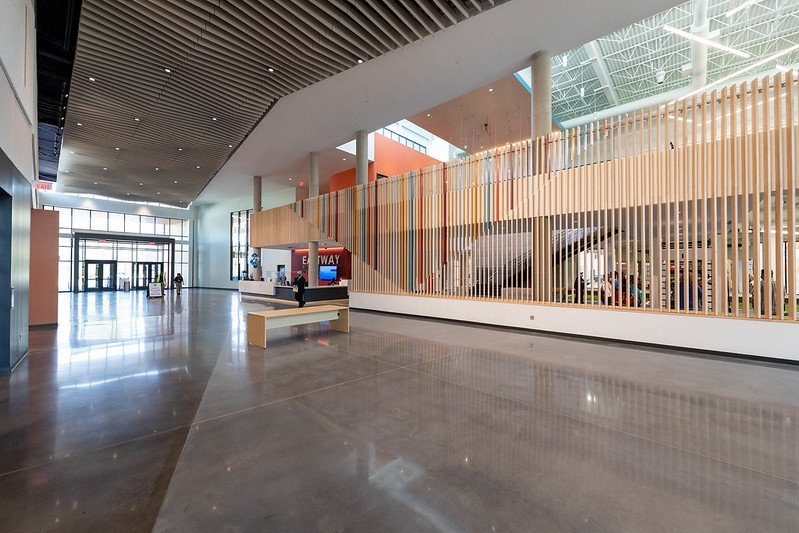
Let’s talk about the Meck Playbook. You wrote in there that it's a, “vision of where we want and need to go.” What does that mean, and what do we need to do to get there?
First, we need access. We need to make sure that people have access to our facilities. And because of the way that Charlotte was developed over the years with a series of cul de sacs and neighborhoods around a bunch of streams and tributaries that literally radiate from the center of the county, it's difficult.
I mean, you can have a park that's literally a five-minute walk away, but because of the road network, it's going to take you 15 minutes on foot to get there because you got to come out of your neighborhood. You got to walk down the main street, get on another street. So that's one thing, just working with the access and what we can do to enhance that.
Second is the availability of land to be able to build facilities, particularly in our challenged and underserved communities, those communities that are mostly seniors, mostly black and brown residents, that did not receive adequate investment in the past. And how do we address that?
Then through the next lens, which is equity, we need to make sure that you don't have “nice” parks and “bad” parks. You have to have all the parks at the same level in terms of accessibility, in terms of maintenance, and in terms of amenities that they offer. So every park is a good park. And finally, being able to inform people as to what's out there, and to evolve and grow in that respect.
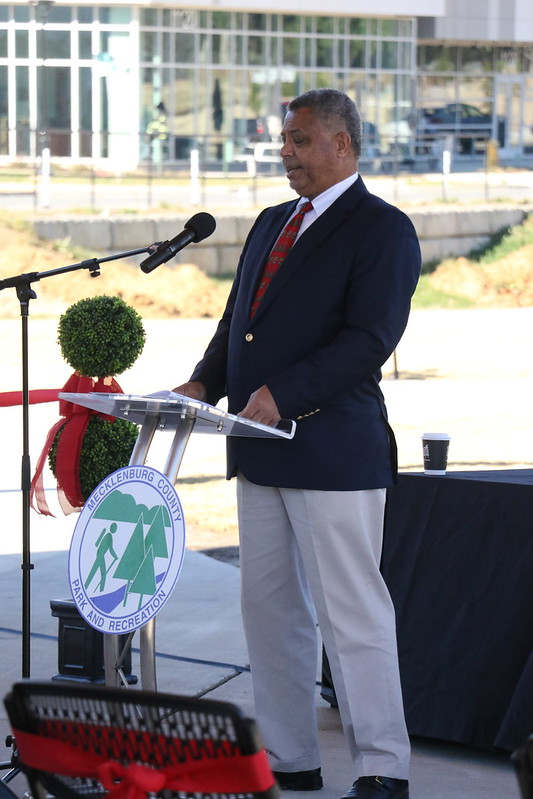
One of the things that was very significant about the Playbook was the amount of public input that went into it. Was there anything there that surprised you?
It did. And one thing was that we previously made an assumption that people like to hear about things just through social media, but we were looking at the kind of response we were getting, and who was showing up to events. What we found was that there are a lot of people that want to write things down. They want cards, things mailed to them, and phone calls. They want someone to knock on their door to get their input.
Now, now, don't get me wrong, social media is still the top way that many people weigh in on things. What we're seeing on Facebook, Instagram, Twitter, all of that, and email and text messages. But we're also looking at ways, instead of having people come to our offices or come to a rec center… let's go to a farmer's market, let's go to a concert, let's go to a church event where we know a lot of people are going to be there. Let’s set up a little booth and ask questions. That's proven to be very successful for us.
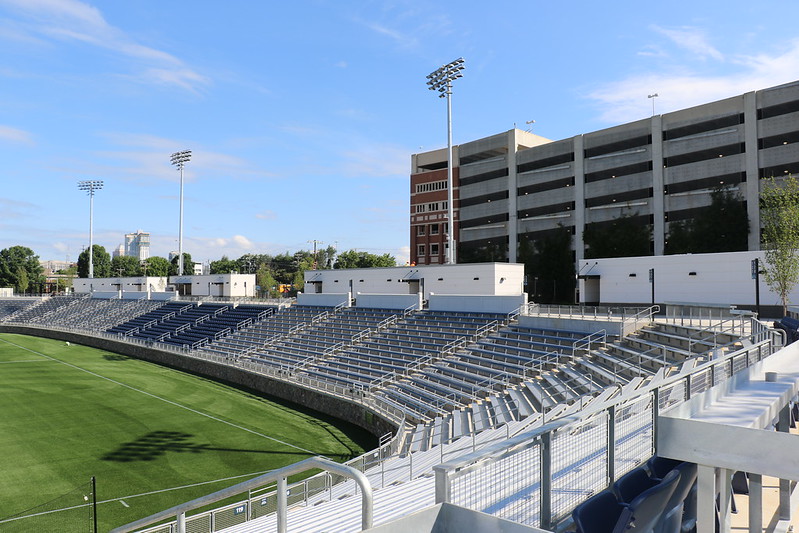
So you’ve been with Mecklenburg County Parks for almost 20 years now. You're going on year four as the director. In just the last little bit, Memorial Stadium has reopened with an incredible renovation. Two regional rec centers have come online. Miles of additional Greenway added, including an incredible partnership with the City and the cross Charlotte trail … and that's just the tip of the iceberg, so to speak. What would you say might be the most significant or one of the most significant project that has taken place?
American Legion Memorial Stadium has been an icon. I first got to really see it back in 1985 for a fireworks show. It was really dark in there at night, and I went to the bathrooms and they were awful. I had come back from a study abroad in 1982, and it reminded me of the Roman Coliseum. It was in failing health, they had all sorts of braces and things up … And so from that point forward when I came in as the director of Capital Planning for Mecklenburg County in 2004, and I started looking at the things that we needed to do and that was one and I could never get the funding for. We tried all these different partnerships and then I was in a meeting with the county manager and as the head of capital planning and was asked, “what would you do if we had the money?” I said I think we should fund it. The county should pay for it so we’re not locked into a partnership with anyone who could control the use of the facility. And then the next thing I know, about a year or so later, I have that opportunity to be the director.
I’m very pleased with how it came out. I would say it was personal because I've always been a person for adaptive reuse and saving history because if you don't learn from history, you miss great opportunities to enhance development and take pride in yourself… That was part of the Works Progress Administration program that build that facility. Franklin Delano Roosevelt, who went to my high school actually came here to see it, so that has a lot of symbolism for me.
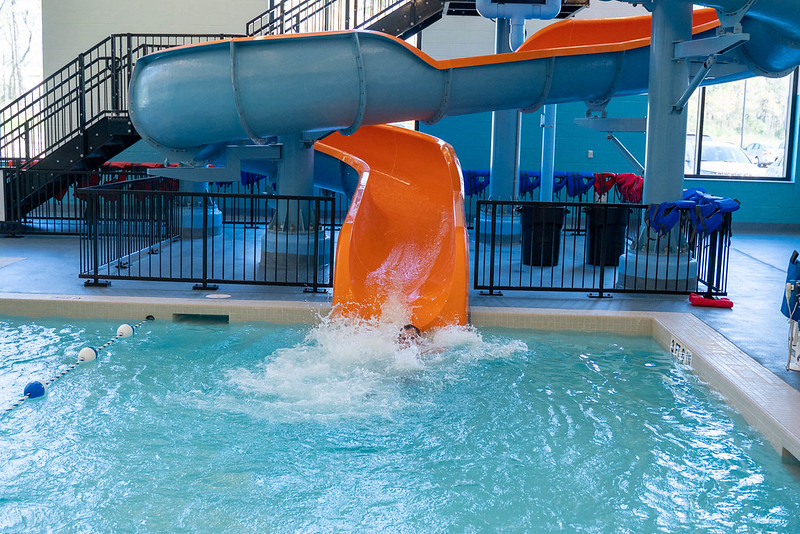
Our regional recreation centers, Eastway and Northern Mecklenburg County, are significant major big-time projects that the County has built. They’ve been very successful. Eastway has taken off and now we've got Northern open. And every time I've gone up there and I've been up there in the last month about three times, it’s packed. Seniors love it. Everybody loves it. We're going to be very strategic as to how we do the next two and get the support for those and maybe we change the criteria a little bit.
And finally, taking care of some of the parks that we have like Pearl Street Park. That park was the only park that African-Americans could really go to. And then the people from Second Ward High School; they would march there every day from the Second Ward Gym at the Aquatics Center over to that park or athletic field. So they didn't have fields. That's the one place they had. So that became a legacy, that became a gathering place. It became a node for that aspect that that portion of our population, the African-American population that lost everything during renovation in the late sixties, that was driven by economic development.
And then the final link, the capillaries of the body that link the organs of the Mecklenburg County Park and Recreation System together is our Greenway network. And that partnership with the city of Charlotte, with the Carolina Thread Trail, and with our partners in the other six incorporated municipalities is making that possible for people to have a wonderful transportation network and recreation amenity that holds the county together and connects it.
Thank you for your leadership and the partnership, and thank you for the time, Lee!
Thank you so much!
# # #